
Pest control in Marietta › Termite control › What an inspection checks
A termite inspection is a defined piece of work, not a walk around the yard. This page covers what a licensed inspector physically does in a Georgia house, the word accessible and how much it hides, and why the annual look under your own house is a different job from the one a lender asks for. Start with the complete guide for the whole method.
Why this matters more in Georgia
Georgia is Termite Infestation Probability Zone 1, the highest tier in the country. Piedmont red clay holds moisture long after the rain stops, so eastern subterranean termites here forage year round rather than pausing for winter. An annual inspection is not a formality in this state; it is the only thing standing between a small problem and structural repair.
1 What the inspector actually does
It starts outside. A slow lap of the foundation, reading the grade: where the ground slopes toward the house, where a downspout empties against the wall, where mulch sits above the brick ledge, where siding or trim touches dirt. The inspector is looking for mud tubes on the masonry, pencil-wide shelters workers build to hold humidity around themselves while they travel. A tube gets broken open to see whether anything is still inside.
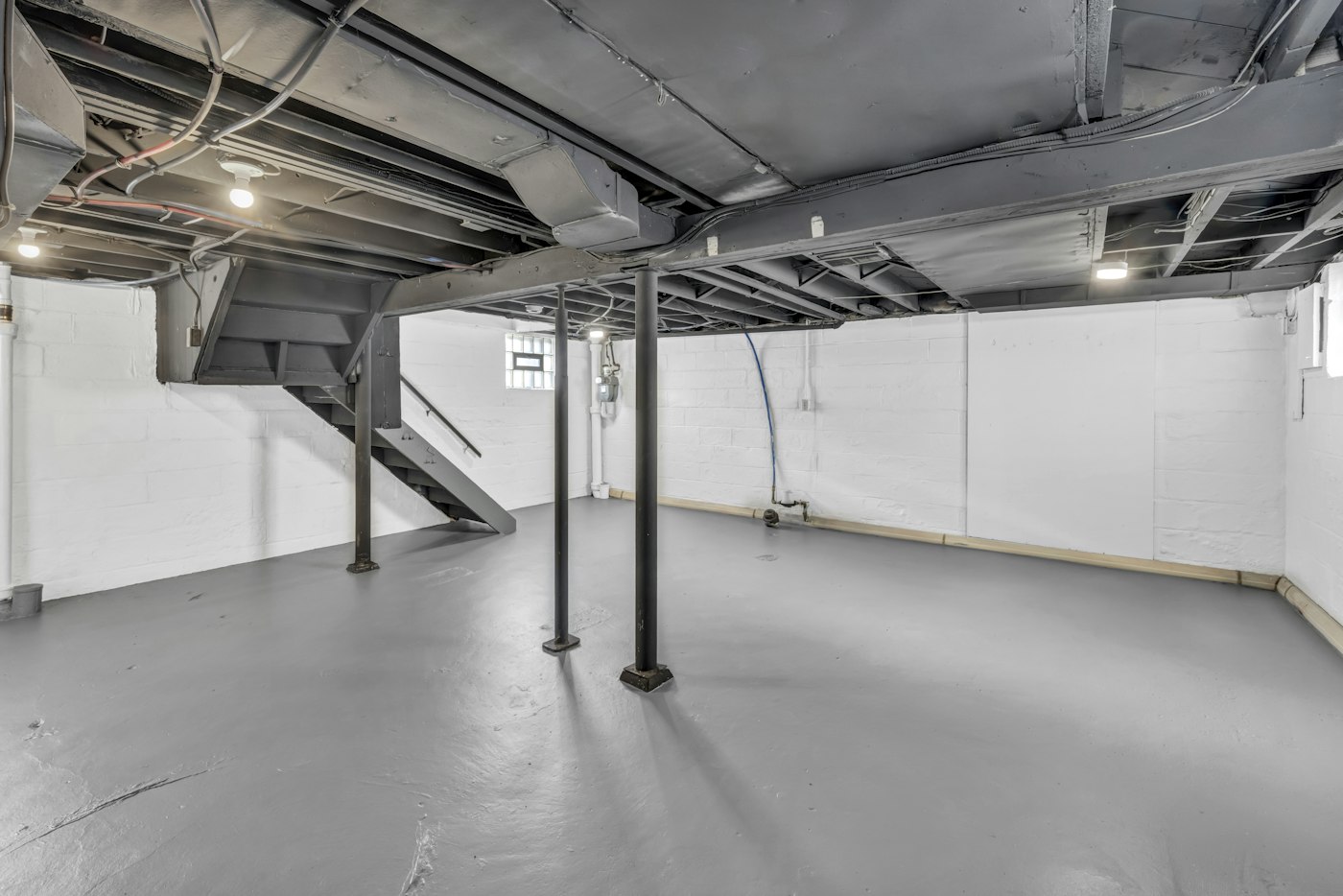
Then underneath. In a crawlspace that means going in on hands and knees with a light, checking piers, the sill plate, floor joists, the band board and any plumbing penetration, and sounding suspect wood with the handle of a screwdriver. Hollow wood gives itself away. In a basement it is the same list where framing meets masonry.
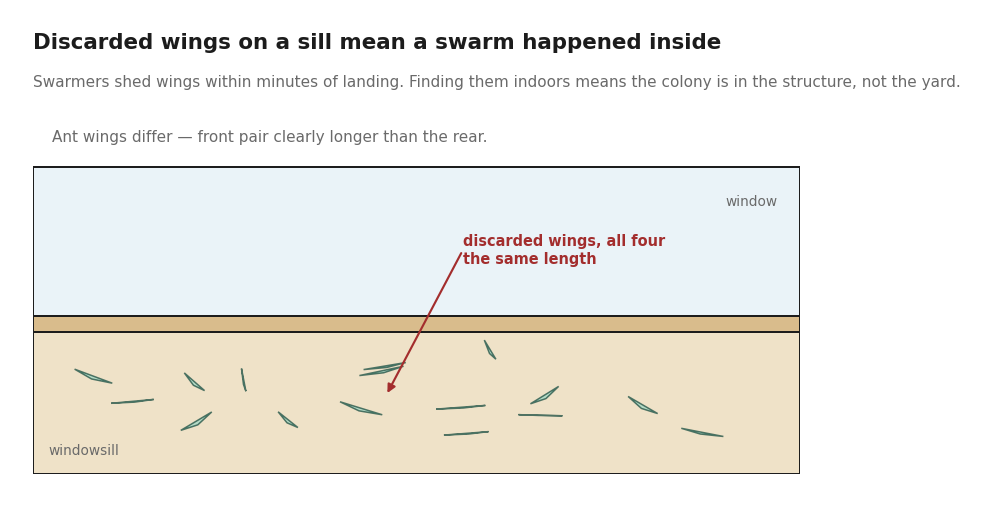
Inside, the circuit is windowsills and door frames, baseboards, the bases of posts, the garage, under sinks, and anywhere a wall stays damp. Discarded wings on a sill in April are the aftermath of a swarm that started under the house. On a typical single-family home the circuit takes half an hour to an hour, longer if the crawlspace is tight.
2 What accessible means
Every termite inspection in Georgia is a visual inspection of readily accessible areas. That phrase carries most of the weight on the document, so it is worth knowing what it excludes. Nobody opens a wall. Nobody pulls insulation off a crawlspace ceiling. Nobody moves your stored boxes, lifts carpet, takes down a drop ceiling or digs out a flower bed. If the inspector cannot see it standing, crouching or crawling, it was not inspected.
That is why a clear report means something narrower than people assume. It says no visible evidence was found in the areas that could be reached on that day. It does not certify that the house has no termites, and the list of obstructed areas is the part a buyer should read first, not last.
You can widen the inspection yourself before anyone arrives. Clear the crawlspace hatch, move the bins stacked along the garage wall, pull stored lumber off the ground, and open the access to the attic. Every obstruction you remove is an area that gets looked at instead of excluded.
Ask what they could not reach
The obstructed-areas list tells you more about your house than the findings do. A licensed local inspector will walk you through it.
3 Crawlspace clearance and moisture readings
Clearance is the gap between the soil and the bottom of the floor joists. Where it drops below roughly eighteen inches a person cannot work, and the crawlspace stops being inspectable in any real sense. Older Marietta ranches are the usual offenders: decades of added mulch and regraded beds raised the outside soil while the inside settled. A crawlspace nobody can traverse is a crawlspace nobody is checking.
Moisture is the other half of the job. A pin or pinless meter against the band board, the sill and the subfloor gives a reading, and readings above the high teens by percentage mark wood that is attractive to termites and to the fungi that soften it first. The inspector is also looking at why: a missing vapor barrier over bare clay, blocked or buried foundation vents, a dryer vent discharging under the house, a slow supply line, a crawlspace that holds standing water after a storm.
Those findings are often more useful than the termite findings themselves, because they are the conditions. On red clay the moisture is the reason the colony is interested in your house at all, and the full argument for fixing conditions before buying chemistry is in the Marietta pest control guide.
4 What gets written down
A real inspection produces a document, and the document is the product. It should name the licensed company and the individual inspector, the date, and the structure inspected, including detached garages and outbuildings if they were covered.
Then the findings, and these are three separate things that get confused constantly. Visible evidence of active infestation means live insects, fresh tubes or current damage with living termites in it. Visible evidence of previous infestation means old tubes, old damage, or signs that something was treated before. Visible damage is a condition of the wood, and it does not tell you whether anything is alive today. A house can show previous infestation and damage with no active termites at all, and that is a normal finding on a Georgia house of a certain age.
Finally, the obstructed or inaccessible areas, any conducive conditions observed, and whether treatment is recommended. A diagram with the findings marked on it is common and useful. Keep the document: a future buyer, a lender or a second company will ask for it. For houses with a history you did not write, see pest control across Cobb County.
5 Annual inspection or real estate inspection
They look similar from the driveway and serve different purposes. The annual inspection is the one attached to a termite bond. Its job is to catch new activity early and to check that the treated zone or the bait stations still do what they were installed to do. The value is continuity: the same firm looking at the same crawlspace year after year notices what changed.
The real estate inspection produces the Official Georgia Wood Infestation Report, the document people call the termite letter. It is signed by a licensed inspector, it is addressed to a transaction rather than to you, and lenders generally want it dated close to closing. It reports conditions on one day. It is not a warranty and it does not transfer any obligation to anybody.
One practical note on timing. Swarm season runs March to May, which is also when every seller in north Georgia calls at once, so inspection calendars stretch in spring. If you are closing between March and May, book earlier than feels necessary. If you need a licensed company and do not have one, start here.
Keep reading in this topic
What the Official Georgia Wood Infestation Report says, and the three findings buyers mix up.
Liquid barrier or bait system, and what the inspection findings say about which one fits.
The re-inspection is the thing a bond renewal actually buys you each year.
6 Questions
How often should a Georgia house be inspected?
Once a year, which is the cadence a bond builds in anyway. In Zone 1 on red clay, colonies forage through the winter, so a two-year gap is long enough for activity to start and progress without anyone seeing it. Houses with low crawlspace clearance or a damp corner earn a look more often than that.
My report says previous infestation. Do I have termites?
Not necessarily. Previous infestation means the inspector saw old evidence: abandoned tubes, old galleries, signs of a treatment. On an older Marietta house that is common and not alarming on its own. What matters is whether the finding sits beside active evidence, and whether there is a record of the house having been treated.
Can an inspector check a slab house properly?
Within limits. There is no crawlspace to enter, so the work is the exterior slab edge, expansion joints, utility penetrations, the garage and the interior perimeter. A slab house hides entry routes under concrete, which is exactly why the exterior walk and any visible plumbing chase get more attention.
Should I be there while it happens?
Yes, if you can. Ten minutes at the end with the inspector pointing at the band board beats reading the document alone. Ask what was obstructed, what the moisture meter said and where, and ask for a photograph of anything you cannot reach yourself.
Start here
The complete Marietta pest control guide
What a correct job looks like on Piedmont red clay, how crawlspace and slab homes differ, and the questions that separate a real proposal from a guess.
Jaylan Jones — Cobb County Pest Solutions publishes independent guidance for North Georgia homeowners. We are a referral service, not a licensed pest control contractor, and we do not perform the work. How we work.

