
Pest control in Marietta › General pest control › Austell
This page covers what general pest work involves in Austell, a town built in the floodplains of Sweetwater Creek and Noses Creek. Start with the Marietta pest control guide for the whole method, then read this for the local part.
What shapes the job here
Flood history and what was rebuilt, foundation type, measured perimeter, crawlspace access and clearance, how wet the soil stays, the species present, severity and the service cadence you settle on.
1 A town in two floodplains
Austell is not generically low-lying; it is specifically built where Noses Creek joins Sweetwater Creek, and the neighborhoods along Veterans Memorial Highway and down toward Clarkdale sit on ground that has taken creek water indoors within living memory. Streets a block apart can have completely different histories, and a company that treats the whole ZIP code the same way is not reading the lot.
What matters for pests is what water left behind. Silt in a crawlspace raises the grade under the house, cutting clearance and burying the bottom of piers. Insulation that got wet was often pulled and not replaced. Subfloor and band joist were sometimes cut out and sistered, sometimes just dried and left. Any of those gives you softened wood against damp soil, which is the exact condition carpenter ants look for. They do not eat wood; they excavate wood that is already damp, so in Austell a carpenter ant call is usually a moisture problem in disguise with a decade of history behind it.
Piedmont red clay keeps that going. It holds water far longer than the sand south of the fall line, so a crawlspace that took water once stays humid long after the creek has dropped.
2 Access is a real variable
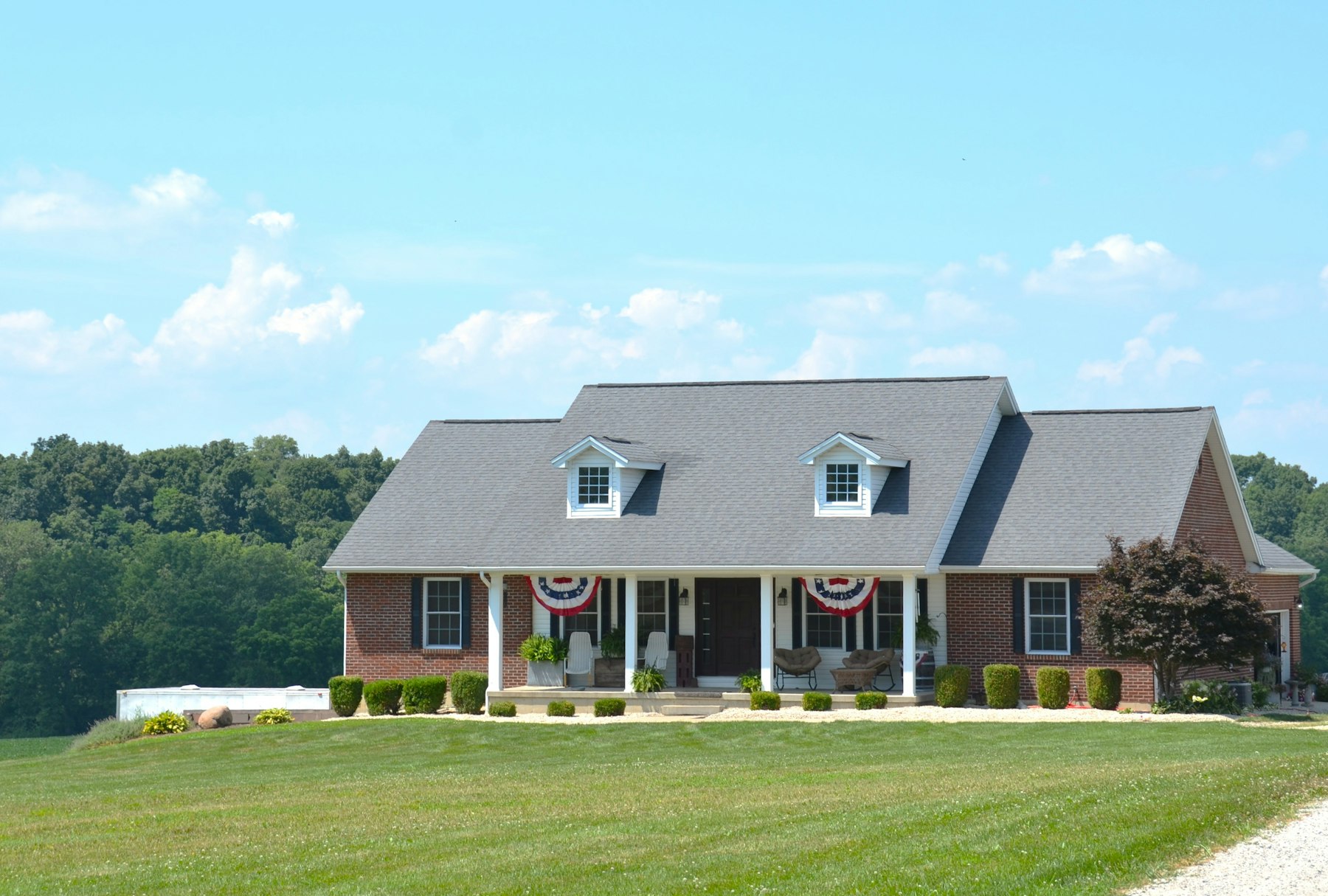
On an Austell crawlspace house, the question that decides the job is whether a technician can physically get under the floor and around the outside. Silted clearance, a crawl door screwed shut since the last rebuild, ductwork hanging low, and a back wall four feet from a neighbor’s fence all cut down how much of the structure anyone actually inspects. Property size and the measured run of foundation set the scale of the work; access decides how much of that run gets treated properly rather than approximately.
Ask directly: how much of the perimeter did you treat, and which parts could you not reach. A straight answer to that tells you more about a company than anything in their brochure.
The work itself still starts outside. A slow lap of the foundation, reading grade and drainage, comes before any product: where the ground slopes toward the house, where a downspout dumps at the wall, where mulch sits above the brick ledge, where a vent is blocked by silt or shrubs. On a creek-bottom lot that lap is the whole job in miniature.
If your house has taken water
Say so on the first call, and say what was replaced. It changes where a licensed local crew looks first.
3 Ants after rain, roaches after a rebuild
Odorous house ants are the most common call in the county and they are at their worst on creek-bottom lots. They nest in mulch and in wall voids, and heavy rain floods those outdoor sites and pushes the colony indoors, usually up through the sill or around a bath trap. The same ants come in during a dry August for the opposite reason, following condensation lines to water. Crush one and it smells of rotten coconut, which is the fastest field identification there is.
German cockroaches turn up for a different reason. Austell has had a lot of kitchens and bathrooms rebuilt after water damage, and a rebuild brings in appliances, cabinetry and boxes from elsewhere. Roaches ride in, then settle in the warm wet walls behind the new plumbing. They need gel bait placed into the harborage itself, in hinge voids, cabinet corners and under appliances. A perimeter band outside does nothing to them. The reasoning for keeping those two jobs separate is in the complete guide.
Quarterly exterior service is the regional cadence, because north Georgia has no dormant season, only a slower one, and in these bottoms the slower one barely registers.
4 Nearby towns in this hub
The neighboring watershed: Nickajack Creek, the Chattahoochee corridor and mid-1980s crawlspace ranches.
Upstream and newer: early-1990s subdivisions built around detention ponds.
Older housing on higher ground: Square-era frame houses on piers and the 1960s ranch belt.
5 Questions
My crawlspace took creek water years ago. Is that still relevant?
Yes. Silt left on the ground raises the grade and reduces clearance, buried pier bases keep wicking, and any framing that was dried rather than replaced is softer than it was. Those conditions outlast the water by decades and they are what a carpenter ant colony is looking for. Mention it before the inspection so someone brings a light and a moisture meter.
Can a technician reach all the way around my house?
On a lot of Austell lots, not entirely. Fences sit close to the wall, air conditioning pads block a corner, sheds get built against the back, and crawl doors have been screwed shut. Ask which stretches were skipped and what was done instead. An honest answer is a good sign; a claim that every inch was treated on a tight lot usually is not.
How often does an Austell house need service?
Quarterly on the exterior is the regional standard. There is no genuinely dormant season in north Georgia, the clay stays damp through winter, and a treated band weathers out over a few months. On a creek-bottom lot with a permanent outdoor reservoir of insects, stretching the interval tends to show up as a spring call.
Start here
The complete Marietta pest control guide
What a correct job looks like on Piedmont red clay, how crawlspace and slab homes differ, and the questions that separate a real proposal from a guess.
Jaylan Jones — Cobb County Pest Solutions publishes independent guidance for North Georgia homeowners. We are a referral service, not a licensed pest control contractor, and we do not perform the work. How we work.

